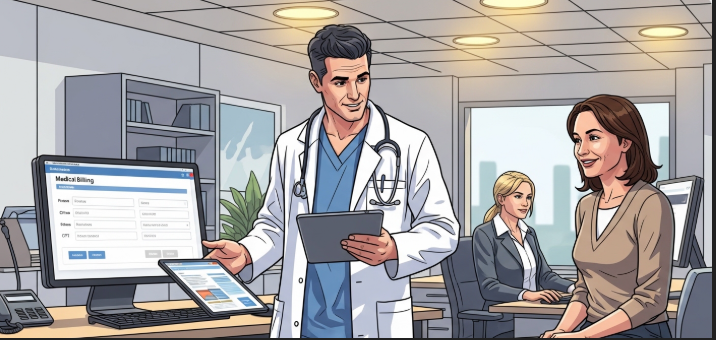

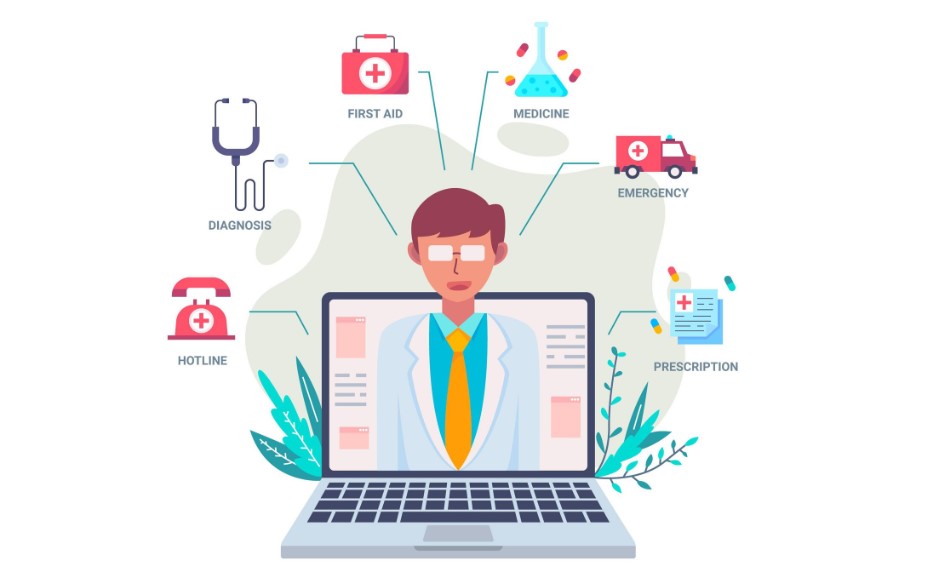
EHR stands for Electronic Health Record. It is a digital system that stores patient medical information on computers instead of paper files. Think of it as a smart notebook that doctors and nurses use to keep track of everything about your health, from your height and weight to your medical history and medications.
EHR notes are the records that healthcare providers write during or after your visit. When you go to the doctor, they don’t just talk to you and forget everything. They write down important details about your symptoms, their observations, test results, and treatment plans. In the past, doctors wrote these notes by hand on paper charts. Today, they type them directly into EHR software.
These notes are like a diary of your health journey. They help doctors remember what happened during your last visit and make better decisions about your care in the future.
These are the most common types of notes. Doctors write them after examining you. They include what you told the doctor (your complaints), what the doctor observed, and what they plan to do next.
Example: “Patient reports headache for 3 days. No fever. Blood pressure is normal. Prescribed pain medication and advised rest.”
SOAP is a popular format that stands for:
When a patient enters the hospital, doctors write detailed admission notes. These include the patient’s complete medical history, current problem, and initial treatment plan.
When leaving the hospital, patients receive discharge notes that explain what happened during their stay, what medications to take, and what to do at home.
When your regular doctor refers you to a specialist, the specialist writes consultation notes with their expert opinion and recommendations.
Modern EHR software includes helpful features:
Templates: Pre-made forms for common situations that save time Voice-to-Text: Doctors can speak instead of typing Auto-Complete: The system suggests common phrases Alerts: Warnings about allergies or drug interactions Easy Sharing: Notes can be sent to other healthcare providers instantly
Let’s say Sarah visits her doctor with a cough. Here’s what an EHR note might look like:
“15-year-old female presents with persistent cough for 5 days. Reports yellow mucus and mild chest discomfort. No shortness of breath. Temperature 99.2°F. Lungs show slight wheezing in lower right. Assessment: Possible bronchitis. Plan: Prescribed cough syrup and antibiotics. Follow-up in one week if symptoms don’t improve.”
This note gives a complete picture. If Sarah goes to urgent care next week, that doctor can read this note and know exactly what’s been happening.
Despite their benefits, EHR notes have some problems:
Epic is the largest EHR vendor in the United States, holding over 41% of hospital installations. Founded in 1979, it’s trusted by major hospitals and healthcare systems. Epic offers comprehensive features including patient portals (MyChart) and excellent integration capabilities.
Oracle Health EHR software holds approximately 22% of the US hospital EHR market share. Its Millennium platform supports data integration across multiple care settings and provides strong clinical decision support tools for large healthcare organizations.
MEDITECH captures 11.9% market share and is the largest hospital vendor in Canada. It’s popular among mid-sized hospitals and has expanded to 23 countries. MEDITECH offers affordable solutions with solid functionality.
Athenahealth provides a cloud-based, modular EHR with embedded billing and patient engagement tools. It’s ideal for small to medium-sized practices that want flexibility without managing on-premise systems. The software updates automatically and includes revenue cycle management.
eClinicalWorks serves more than 130,000 doctors and nurse practitioners, with over 850,000 medical professionals using their system. It specializes in ambulatory care and offers integrated practice management, patient engagement tools, and population health management features.
These five platforms represent the most widely used EHR systems, each serving different types of healthcare facilities, from small clinics to large hospital networks.
Technology keeps improving. Future EHR systems might use artificial intelligence to write notes automatically while doctors focus on patients. Some systems are already testing this feature, listening to doctor-patient conversations and creating notes from them.
EHR notes are the backbone of modern healthcare. They ensure that your medical information is organized, accessible, and safe. Whether it’s a simple cold or a complex surgery, every detail recorded in EHR notes helps healthcare providers give you the best possible care. As technology advances, these systems will become even more efficient, making healthcare safer and more effective for everyone.
| How Health Insurance Works in the USA |
| Brief Guide to PPO Health Insurance Plans |
| Brief Guide to HMO Health Insurance Plans |
| Brief Guide to Medicare Parts A, B, C, and D |

Sign up for my newsletter to see new photos, tips, and blog posts. Do not worry, we will never spam you.
Health Engine Journal is a modern health-focused blog dedicated to delivering clear, reliable, and well-researched information. Our goal is to educate, inspire, and support individuals, professionals, and learners in understanding the evolving world of healthcare. We simplify complex medical and wellness topics into practical knowledge you can trust.