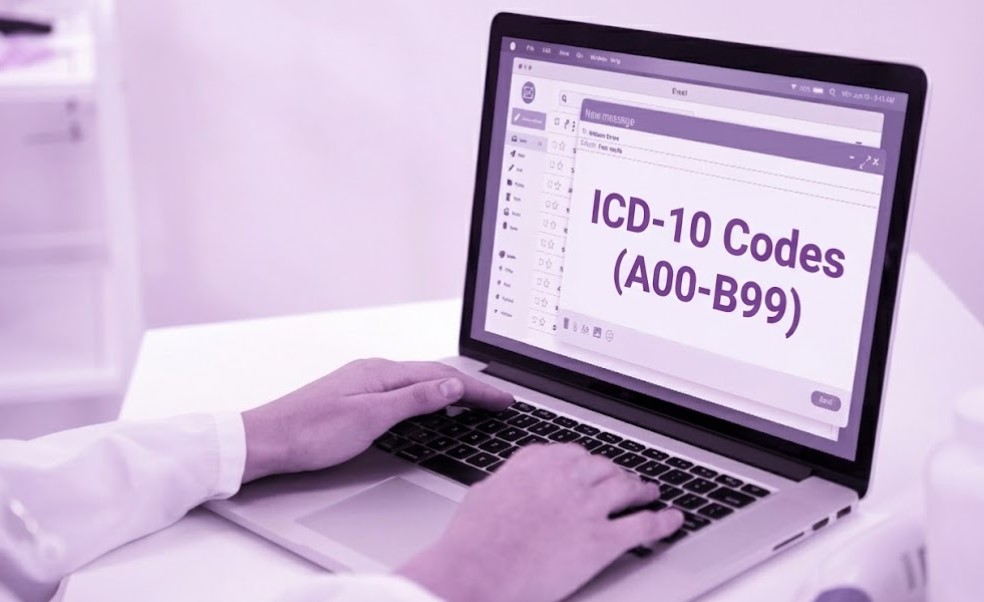
The ICD-10 coding system is a standardized medical classification used by healthcare professionals worldwide to diagnose and document various health conditions. Within this system, the code range A00-B99 specifically covers infectious and parasitic diseases. These codes are essential for accurate medical billing, proper patient treatment, and tracking disease patterns across healthcare facilities.
What are Infectious and Parasitic Diseases?
Infectious and parasitic diseases are conditions generally recognized as communicable or transmissible. This means they can spread from person to person, from animals to humans, or through contaminated food, water, or other sources. The A00-B99 code range provides a comprehensive classification system for healthcare providers to properly document these conditions.
Key Coding Guidelines
When using codes from the A00-B99 range, healthcare professionals must follow specific guidelines:
Additional Codes Required
In many cases, you’ll need to use an additional code to identify resistance to antimicrobial drugs (Z16.-). This helps track antibiotic resistance patterns, which is crucial for public health monitoring and treatment planning.
What’s NOT Included (Type 1 Excludes)
Certain localized infections are not coded here. Instead, they should be coded in body system-related chapters. For example, a localized skin infection would be coded in the skin and subcutaneous tissue chapter rather than in this infectious disease section.
What May Be Coded Separately (Type 2 Excludes)
Some conditions are excluded but can coexist with infectious disease codes:
- Carriers or suspected carriers of infectious disease (Z22.-)
- Infectious diseases during pregnancy, childbirth, and postpartum period (O98.-)
- Infectious diseases in newborns (P35-P39)
- Influenza and acute respiratory infections (J00-J22)
These exclusions help ensure accurate coding and proper documentation of complex medical situations.
Complete List of Infectious Disease Categories
The following table provides a comprehensive overview of all infectious and parasitic disease categories within the A00-B99 code range:
|
Code Range
|
Disease Category
|
Description
|
|
A00-A09
|
Intestinal infectious diseases
|
Includes cholera, typhoid, salmonella, and other intestinal infections
|
|
A15-A19
|
Tuberculosis
|
Covers all forms of TB infections
|
|
A20-A28
|
Certain zoonotic bacterial diseases
|
Diseases transmitted from animals to humans, like plague and anthrax
|
|
A30-A49
|
Other bacterial diseases
|
Includes leprosy, tetanus, diphtheria, and streptococcal infections
|
|
A50-A64
|
Infections with predominantly sexual transmission
|
STDs including syphilis, gonorrhea, and chlamydia
|
|
A65-A69
|
Other spirochetal diseases
|
Diseases caused by spiral-shaped bacteria
|
|
A70-A74
|
Other diseases caused by chlamydiae
|
Various chlamydial infections
|
|
A75-A79
|
Rickettsioses
|
Diseases caused by rickettsial bacteria
|
|
A80-A89
|
Viral and prion infections of the central nervous system
|
Includes poliomyelitis and encephalitis
|
|
A90-A99
|
Arthropod-borne viral fevers and viral hemorrhagic fevers
|
Diseases transmitted by insects, like dengue and yellow fever
|
|
B00-B09
|
Viral infections with skin and mucous membrane lesions
|
Herpes, chickenpox, and similar conditions
|
|
B10-B10
|
Other human herpesviruses
|
Additional herpesvirus infections
|
|
B15-B19
|
Viral hepatitis
|
Hepatitis A, B, C, D, and E
|
|
B20-B20
|
Human immunodeficiency virus [HIV] disease
|
All HIV-related conditions
|
|
B25-B34
|
Other viral diseases
|
Various viral infections not elsewhere classified
|
|
B35-B49
|
Mycoses
|
Fungal infections
|
|
B50-B64
|
Protozoal diseases
|
Malaria and other parasitic infections
|
|
B65-B83
|
Helminthiases
|
Worm infections
|
|
B85-B89
|
Pediculosis, acariasis and other infestations
|
Lice, mites, and similar parasitic conditions
|
|
B90-B94
|
Sequelae of infectious and parasitic diseases
|
Long-term effects of past infections
|
|
B95-B97
|
Bacterial and viral infectious agents
|
Codes identifying specific bacteria and viruses
|
|
B99-B99
|
Other infectious diseases
|
Miscellaneous infectious conditions
|
Why Accurate Coding Matters
Proper use of infectious disease ICD-10 codes is critical for several reasons:
- Patient Care: Accurate codes ensure patients receive appropriate treatment and follow-up care
- Medical Billing: Correct coding leads to proper insurance reimbursement and reduces claim denials
- Public Health Tracking: These codes help health organizations monitor disease outbreaks and patterns
- Research and Statistics: Standardized codes enable meaningful medical research and health statistics
Tips for Healthcare Professionals
When working with infectious disease codes, keep these points in mind:
- Always check for the most specific code available for the patient’s condition
- Use additional codes when required to capture antimicrobial resistance
- Stay updated with annual ICD-10 code changes and revisions
- Document the specific infectious agent when known
- Follow proper sequencing when coding multiple conditions
- Verify that excluded conditions are coded in the appropriate chapter
Conclusion
The A00-B99 code range for infectious and parasitic diseases is a comprehensive system that helps healthcare professionals accurately document and communicate patient diagnoses.
Understanding these codes, their guidelines, and proper usage ensures better patient care, accurate billing, and effective public health monitoring. Healthcare providers should regularly review coding guidelines and stay informed about updates to maintain coding accuracy and compliance.
By mastering these codes, medical professionals contribute to a more efficient healthcare system that benefits both patients and providers alike.