

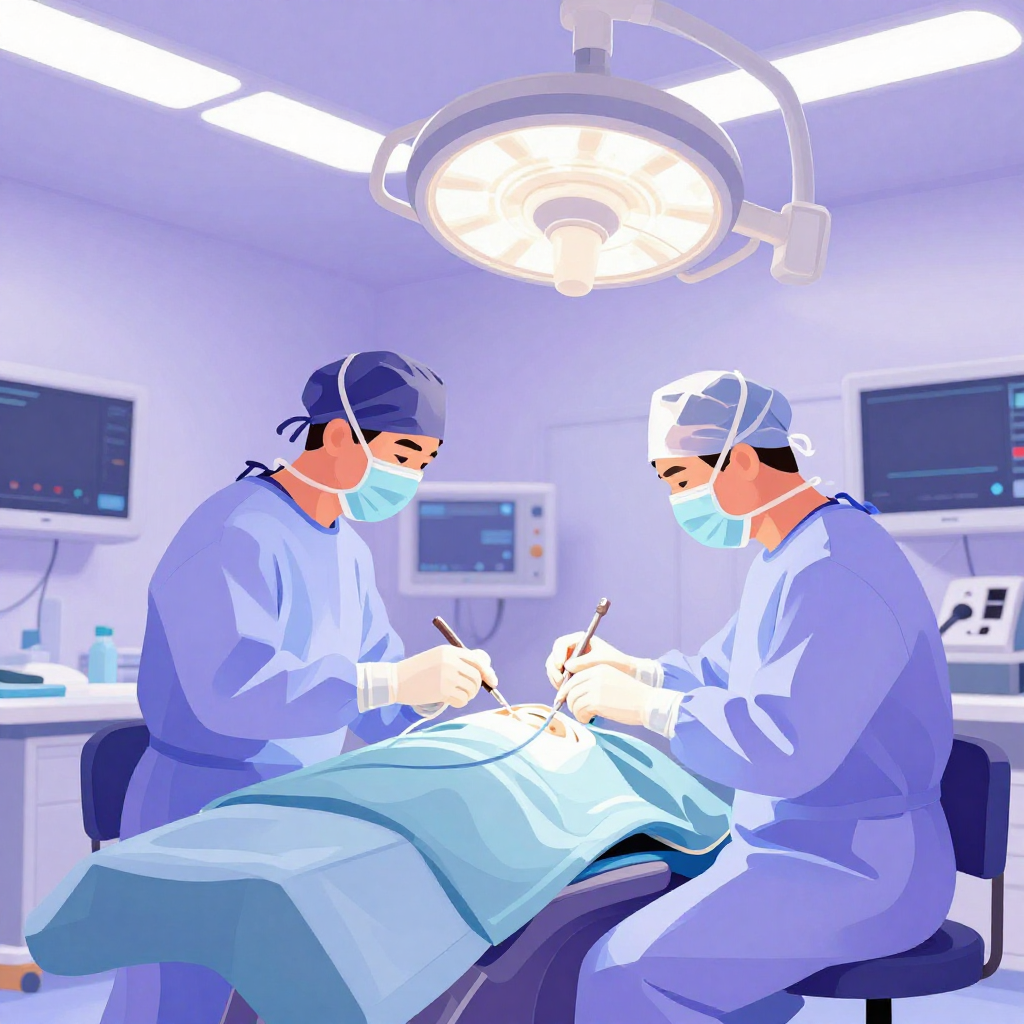
The world of medical billing can feel like navigating a maze, especially when dealing with complex surgical procedures. CPT Code 22853 is one of those codes that surgeons, billers, and coders in the field of spinal surgery encounter regularly. It represents a common and crucial part of procedures designed to stabilize the spine and alleviate patient pain.
Are you finding the guidelines for CPT Code 22853 confusing? You’re not alone! Spinal procedures often come with layers of complexity, making accurate billing challenging. But understanding this specific code is essential for ensuring proper reimbursement and financial health for your practice.
Read our brief guide to break down this important code and learn how to use it correctly.
CPT code 22853 is used in orthopedic and neurosurgical billing to report the use of an interbody biomechanical device during a spinal fusion procedure.
In simple terms, it refers to the procedure where a surgeon inserts a specialized implant (the device) into the space between two vertebrae after a damaged or diseased intervertebral disc has been removed. This code applies to devices placed at any spinal level, but it is very common in the neck (cervical spine).
CPT Code 22853 is an add-on code, meaning it is always reported in addition to the primary spinal fusion procedure code it supports. The most common primary procedure in the neck is an Anterior Cervical Discectomy and Fusion (ACDF).
Here are a few specific scenarios where CPT 22853 is applicable:
Let’s start with a common scenario! Suppose a 55-year-old patient experiences chronic pain, numbness, and weakness radiating down their arm due to a herniated disc in their neck. The disc material is pressing on a cervical nerve root (radiculopathy).
The neurosurgeon recommends an ACDF procedure to remove the damaged disc and relieve the nerve pressure. After removing the disc, the surgeon inserts a pre-packaged interbody cage into the space to maintain proper alignment and promote fusion.
The main procedure (the discectomy and fusion) is billed with a primary code (e.g., CPT 22551 for the fusion at one level), and the insertion of the interbody device is billed with CPT code 22853.
Assume a 62-year-old patient has severe neck pain and instability due to advanced degenerative disc disease (DDD) at the C5-C6 level (between the 5th and 6th cervical vertebrae). Over time, the disc has collapsed, causing instability and pain.
To restore stability, the orthopedic spine surgeon performs an anterior discectomy and fusion. An interbody device is implanted to immediately support the segment and allow the vertebrae to fuse over several months.
The surgical team reports the main fusion procedure and uses CPT code 22853 to account for the supply and insertion of the interbody device.
Suppose a patient requires a second surgery because a previous fusion failed, or the treated segment developed adjacent segment disease. During the revision, the surgeon performs a discectomy and fusion to stabilize the area.
If the surgeon inserts a new or replacement interbody device as part of this revision fusion, CPT code 22853 would be reported along with the appropriate primary fusion code.
Applicable Modifiers for CPT Code 22853
CPT code 22853 is typically placed in the midline of the spine, so it generally does not require laterality modifiers (like LT or RT). However, certain modifiers are crucial for proper billing, especially when reporting multiple levels or distinguishing the code from other services.
This is the most critical modifier for CPT 22853, especially when paired with newer codes for anterior interbody arthrodesis (e.g., 22854).
Other modifiers may be applicable depending on the scenario:
To ensure smooth billing and maximize appropriate reimbursement for CPT Code 22853, follow these essential guidelines:
CPT code 22853 is an add-on code and must be billed in conjunction with the primary spinal fusion procedure code it supports.
If the surgeon performs a fusion at multiple levels (e.g., C4-C5 and C5-C6) and inserts a separate interbody device at each level, you can report CPT 22853 once per interspace/level treated.
As mentioned, correctly applying Modifier 59 to CPT 22853 when paired with codes like 22854 is crucial for demonstrating that the device insertion is a separately billable component. Always consult the National Correct Coding Initiative (NCCI) edits for the most current bundling rules, which are detailed in resources from the Centers for Medicare & Medicaid Services (CMS).
CPT 22853 covers the mechanical interbody device only. If the surgeon uses bone graft material, either allograft (donor bone), autograft (patient’s own bone), or a substitute, to pack the cage or facilitate fusion, this material must be billed separately using the appropriate CPT (e.g., 20930 for allograft) or HCPCS Level II code.
Thorough documentation is the backbone of successful billing. The operative report must clearly detail:
Our final advice? Always check the medical policies of major payers (like Medicare and private insurance companies) in your area. Some payers may have specific local coverage determinations (LCDs) or unique bundling rules for spinal implants that might affect how they recognize CPT 22853.
While CPT code 22853 may seem like a minor detail in a complex spinal surgery, it represents a significant and separately billable component of the procedure, the crucial interbody biomechanical device.
Understanding that this code reports the supply and insertion of the device, knowing its appropriate add-on status, and correctly applying Modifier 59 are essential steps for accurate and successful reimbursement.
By linking CPT 22853 to the correct primary fusion code and documenting the procedure in detail, you can simplify the challenging billing process for spinal fusions.

Sign up for my newsletter to see new photos, tips, and blog posts. Do not worry, we will never spam you.
Health Engine Journal is a modern health-focused blog dedicated to delivering clear, reliable, and well-researched information. Our goal is to educate, inspire, and support individuals, professionals, and learners in understanding the evolving world of healthcare. We simplify complex medical and wellness topics into practical knowledge you can trust.