
Healthcare is changing fast in today’s digital world. Modern clinics need smart solutions to manage patient care effectively. Electronic Health Record software has become essential for medical practices everywhere.
Doctors and nurses now rely on digital systems every day. These tools help them provide better care to their patients. The shift from paper records to digital files is now complete.
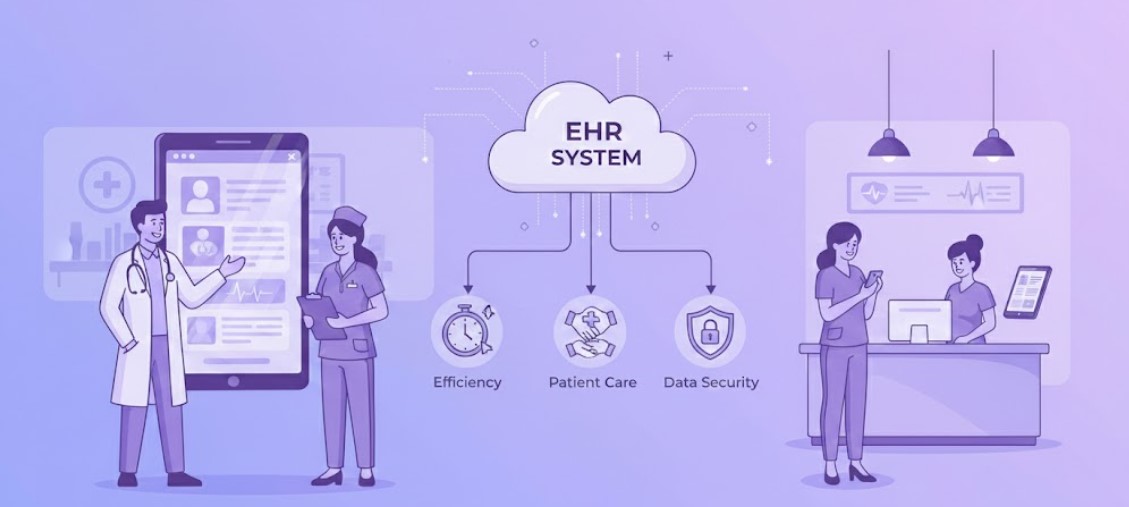
EHR systems make healthcare delivery more efficient and more accurate. They help clinics save time while improving patient outcomes. Every modern clinic should consider adopting this technology today.
Electronic Health Record software stores patient information in a digital format. It replaces traditional paper files with secure computer systems. Doctors can access patient data anytime they need it.
This software keeps track of medical history and treatment plans. Lab results and medication lists are stored in one place. The system updates automatically when new information comes in.
EHR platforms connect different parts of a healthcare facility together. They help doctors make informed decisions about patient care quickly. The technology has transformed how medical professionals work every day.
Modern EHR systems come with many helpful features built in. They offer appointment scheduling and patient registration tools automatically. Digital prescriptions can be sent directly to pharmacies instantly.
These platforms include billing and insurance claim management features too. Clinical notes and medical charts are easy to create digitally. The software reminds doctors about important follow up appointments regularly.
Most systems now include patient portals for better communication. Lab results appear in the system as soon as they are available. Everything works together to make healthcare more organized and efficient.
Cloud based EHR systems store data on secure internet servers. Doctors can access patient records from anywhere with an internet connection. These systems require less hardware and have lower maintenance costs overall.
Traditional on premise systems keep data on local clinic computers. They offer more control but need dedicated IT staff for support. Cloud solutions update automatically while traditional systems need manual updates.
Most modern clinics prefer cloud based options for flexibility reasons. The technology is reliable and meets all security requirements properly. Cloud systems also scale easily as your practice grows bigger.
Patient data management becomes simple with electronic health records today. All patient information stays organized in one central database. Doctors find what they need within seconds during consultations.
Medical history is available at the click of a button. Lab results and imaging reports appear in the same place. No more searching through stacks of paper files anymore.
The system keeps track of allergies and chronic conditions automatically. Medication lists update every time a new prescription goes out. Everything stays current and accurate for better patient safety.
EHR systems create a complete picture of each patient file. Demographics and contact details are stored securely in one location. Insurance information and emergency contacts are readily available too.
Previous visit notes and treatment plans stay accessible to everyone. Multiple doctors can view the same information when needed. The central database prevents information from getting lost or misplaced.
Updates happen in real time across the entire system instantly. Every staff member sees the most current patient information available. This coordination improves care quality and reduces confusion among teams.
Doctors can review complete medical histories during each patient visit. Past diagnoses and treatments appear on the screen immediately. This helps providers make better decisions about current health issues.
Chronic conditions and ongoing treatments are clearly documented and visible. Previous medications and their effectiveness are easy to review quickly. Family history and genetic factors are recorded for future reference.
Emergency situations benefit greatly from instant access to medical records. Critical information like blood type and allergies appears immediately when needed. Quick access to history can literally save lives in urgent situations.
Lab results flow directly into patient records from testing facilities. Doctors receive alerts when new results become available for review. Critical values trigger automatic notifications to the care team immediately.
Medication tracking prevents dangerous drug interactions from happening accidentally. The system checks every new prescription against current medications automatically. Dosage history helps doctors adjust treatments based on past responses.
Patients can view their own lab results through secure portals. This transparency builds trust and encourages patient engagement in care. Everyone stays informed about test outcomes and medication changes together.
Clinical workflows become smoother when using electronic health record systems. Staff members spend less time on paperwork and administrative tasks. More time becomes available for actual patient care and treatment.
Appointments schedule faster with integrated calendar management tools built in. Check in processes happen quickly with digital registration forms available. The entire patient journey through the clinic moves more efficiently.
Communication between departments improves significantly with shared digital systems. Test orders reach labs instantly without paper forms or delays. Results come back faster and treatment begins sooner for patients.
Appointment scheduling happens automatically through the EHR system interface. Patients can book visits online without calling the clinic office. Available time slots appear instantly for patient convenience and choice.
The system sends automatic reminders via text or email before appointments. No show rates drop dramatically when patients receive timely notifications. Staff time previously spent on reminder calls gets redirected elsewhere.
Rescheduling and cancellations update the calendar immediately and automatically. Wait times decrease because the schedule stays optimized throughout each day. Both patients and staff appreciate the improved scheduling efficiency greatly.
Doctors create clinical notes directly in the computer during visits. Templates speed up documentation for common conditions and procedures significantly. Voice to text features let providers dictate notes hands free.
Electronic prescriptions go straight to the pharmacy within seconds. This eliminates handwriting errors and lost paper prescriptions completely. Patients can pick up medications faster with less waiting time.
Prescription refills happen digitally without phone calls or paperwork delays. The system tracks when patients need refills and reminds them accordingly. Everything happens smoothly in the background for better patient convenience.
Administrative tasks that once took hours now complete in minutes. Insurance verification happens automatically through connected systems and databases. Billing codes populate correctly based on documented procedures and diagnoses.
Form filling and paperwork nearly disappear with digital record keeping. Staff members handle more patients without feeling overwhelmed or stressed. The work environment becomes less chaotic and more organized overall.
Front desk teams focus on patient service instead of filing papers. Medical assistants spend more time assisting doctors with patient care. Everyone works more efficiently when technology handles routine administrative work.
Patient safety improves dramatically when clinics adopt EHR systems properly. Medical errors decrease because information stays accurate and up to date. Doctors make better decisions with complete information available instantly.
Medication safety gets better with automatic interaction checking built in. Allergy alerts prevent dangerous prescriptions from being written accidentally. The right treatment reaches the right patient at the right time.
Continuity of care improves when all providers see the same records. Patients receive consistent care regardless of which doctor they see. Nothing falls through the cracks when everything is documented digitally.
EHR systems alert doctors about potential problems before they happen. Drug allergy warnings appear immediately when prescribing any new medication. Duplicate medication alerts prevent accidental double dosing of patients safely.
Dosage calculators help ensure medications are prescribed in safe amounts. Age and weight based calculations happen automatically in the background. Critical lab values trigger alerts that require immediate attention from providers.
These safety features act like a second set of eyes. They catch mistakes that humans might miss during busy days. Patient safety becomes the top priority with technology assistance.
Different specialists can easily share patient information through EHR systems. Everyone sees the same complete picture of patient health status. Treatment plans stay coordinated even with multiple doctors involved simultaneously.
Primary care doctors know what specialists recommend for their patients. Hospital discharge summaries reach clinic doctors immediately after patient release. Communication gaps that once caused problems nearly disappear with technology.
Care transitions become smoother when information flows freely between providers. Patients no longer need to carry paper records to appointments. Everything needed is already available in the shared system digitally.
Doctors make more accurate diagnoses with a full patient history available. Past test results help identify patterns that might indicate problems. Complete medication lists reveal whether symptoms might be drug-related.
Imaging reports and previous specialist consultations appear right when needed. Doctors can compare current symptoms with past presentations of illness. Nothing important gets missed because all information is readily accessible.
Decision-making becomes faster and more confident with complete data. Patients receive correct diagnoses sooner and start proper treatment quicker. Better information leads to better outcomes for everyone involved.
Clinical decision support tools help doctors provide evidence-based care. The EHR system suggests treatments based on current medical guidelines. Providers stay updated with the latest medical research and protocols.
Drug dosing calculators ensure medications are prescribed correctly every time. Interaction checkers prevent harmful drug combinations from being prescribed accidentally. These tools support doctors without replacing their professional judgment.
Preventive care reminders help patients stay healthy before problems develop. Screening recommendations appear based on age and risk factors automatically. Doctors can focus on patient care while technology handles details.
Every prescription gets checked against known drug interactions automatically. Dangerous combinations trigger warnings that require a doctor’s acknowledgment before proceeding. This safety net prevents serious medication-related complications from occurring.
Patient allergies are prominently displayed on every screen during visits. Allergy alerts pop up immediately when contraindicated medications are prescribed. The system refuses to process orders that could harm patients.
Pharmacists also see these alerts when filling prescriptions at pharmacies. Multiple layers of safety checking protect patients from medication errors. Technology and human oversight work together for maximum safety.
Current medical guidelines integrate directly into the EHR workflow seamlessly. Treatment protocols appear when doctors document specific diagnoses or conditions. Evidence-based recommendations guide care decisions for better patient outcomes.
Clinical pathways help standardize care for common conditions across providers. Best practices become easier to follow with technology support available. Quality of care improves when everyone follows proven treatment approaches.
Guidelines update automatically as new medical research becomes available. Doctors access the most current information without searching medical journals. Patient care stays aligned with the latest medical knowledge constantly.
Preventive care reminders appear automatically based on patient age and history. Cancer screening recommendations pop up at appropriate intervals for patients. Vaccination schedules ensure patients stay protected against preventable diseases.
Chronic disease management reminders help doctors monitor ongoing conditions properly. Blood pressure checks and diabetes screening happen on recommended schedules. Nothing important gets forgotten when the system provides timely reminders.
These reminders improve population health by catching problems early. Patients appreciate proactive care that prevents illness instead of treating it. Preventive medicine becomes easier to deliver consistently with EHR support.
Interoperability allows different healthcare systems to communicate and share information. Patient data flows between hospitals and clinics without manual data entry. Healthcare becomes more connected when systems work together properly.
Lab results from outside facilities integrate into clinic EHR systems automatically. Imaging reports from radiology centers appear in the patient record instantly. Specialists share consultation notes back to referring physicians electronically.
Health Information Exchange networks connect entire regions of healthcare providers. Emergency departments access critical patient information from any participating facility. This connectivity saves lives when every second counts during emergencies.
HIE networks create a web of connected healthcare providers regionally. Patient consent allows secure sharing of medical information across facilities. Emergency rooms see medication lists from patients’ regular doctors immediately.
Duplicate testing decreases because providers see tests already completed elsewhere. Healthcare costs drop when unnecessary repeat procedures are avoided successfully. Patients receive faster care without retelling their medical history repeatedly.
Privacy protections ensure only authorized providers access patient information. Audit trails track who views records and when for accountability purposes. Technology makes sharing safe while protecting patient confidentiality.
Lab orders are transmitted electronically from clinics to testing facilities instantly. Results flow back into the EHR automatically when processing completes. Doctors receive notifications when critical results require immediate attention and action.
Pharmacy systems connect directly to clinic EHR platforms for prescriptions. Electronic prescribing eliminates transcription errors and lost paper scripts completely. Medication history from pharmacies updates the EHR automatically for accuracy.
This connectivity creates a closed loop that ensures patient safety. Everyone involved in care sees the same accurate information simultaneously. Communication errors that once caused problems simply cannot happen anymore.
Modern EHR systems share data with other platforms using standard protocols. Mobile health apps can sync with clinic records for better tracking. Wearable devices upload health data directly into medical records automatically.
Telemedicine platforms integrate with EHR systems for virtual visit documentation. Patient portals pull information from the main EHR database in real time. Everything stays synchronized regardless of how patients access their information.
This flexibility allows clinics to adopt new technologies without losing data. Future innovations can connect easily to existing EHR infrastructure. Healthcare continues evolving while maintaining access to historical patient information.
Healthcare regulations require strict protection of patient information and privacy. HIPAA compliance is mandatory for all medical practices in America. EHR systems include built-in features to meet these requirements properly.
Audit trails track every user action within the system automatically. Who accessed which records and when is permanently recorded. This accountability protects patient privacy and helps clinics during inspections.
Certified EHR systems meet government standards for functionality and security measures. Compliance becomes easier when using properly certified EHR software. Healthcare organizations must conduct regular security assessments to maintain compliance.
EHR systems encrypt patient data both during storage and transmission. Access controls ensure only authorized staff view sensitive patient information. Role-based permissions limit what each user can see and do.
Automatic logoff features protect data when workstations are left unattended. Password requirements enforce strong security practices among all users. Multi-factor authentication adds an extra layer of security protection.
Privacy features allow patients to restrict access to sensitive information. Break the glass protocols permit emergency access while logging the action. Patients trust clinics that take privacy protection seriously.
Every action in the EHR creates a permanent record. User login times and record access events are logged automatically. Changes to patient records show who made them and when clearly.
These audit trails help investigate potential privacy breaches or unauthorized access. Clinic administrators can review user activity for compliance monitoring purposes. External auditors examine these logs during HIPAA audits and inspections.
Accountability increases when staff know their actions are being tracked. Inappropriate access to celebrity or coworker records gets detected quickly. Strong audit capabilities protect both patients and healthcare organizations effectively.
Medical records must meet specific legal requirements for court admissibility. EHR systems timestamp every entry and identify the author clearly. Authenticated electronic signatures prove who created each documentation entry officially.
Amendment procedures allow corrections while preserving the original entry text. Legal hold features prevent the deletion of records involved in litigation. These capabilities meet legal standards for medical record keeping properly.
Retention schedules ensure records are kept for the required time periods. Automatic archiving moves old records to long-term storage safely. Clinics stay compliant with state and federal record retention laws.
Practice efficiency improves dramatically when administrative processes become automated. Staff productivity increases because technology handles time-consuming routine tasks. More patients can be seen without hiring additional office personnel.
Revenue cycle management gets better with integrated billing and coding. Claims are submitted faster with fewer errors that cause denials later. Payment collection improves when billing processes work smoothly and efficiently.
Practice analytics reveal opportunities to improve operations and increase profitability. Data-driven decisions replace guesswork in practice management activities. Smart clinics use EHR data to optimize every aspect of operations.
Billing codes automatically populate based on documented diagnosis and procedures. This automation reduces coding errors that lead to claim denials. Clean claims are submitted on the first attempt more often than before.
Insurance eligibility verification happens before patients even arrive for appointments. Staff know immediately whether services will be covered or not. Financial discussions happen upfront, preventing surprise bills later on.
Electronic claim submission reaches insurers faster than paper claims ever did. Payment posts automatically when electronic remittance advice arrives from payers. Revenue cycle time shortens, and cash flow improves significantly overall.
EHR systems generate reports showing practice productivity and financial performance. Providers see how many patients they see and what procedures happen. Management identifies trends and opportunities for improvement using real data.
Patient satisfaction metrics help clinics understand what needs improvement most. Wait time reports reveal bottlenecks in the patient flow process. Data-driven insights lead to better decisions about practice operations.
Benchmarking reports compare practice performance against national standards and averages. Quality metrics show how well preventive care goals are being met. Continuous improvement becomes possible when you measure what matters most.
Staff scheduling becomes more efficient with workload visibility and planning tools. Examination rooms stay filled because the schedule optimizes automatically throughout the day. Equipment utilization increases when resources are managed better using data.
Employee productivity metrics help identify training needs or workflow problems early. Time studies reveal how long different tasks actually take to complete. Process improvements target areas where the most time is wasted.
Supply ordering integrates with the EHR to track usage patterns accurately. Inventory stays optimized without overstocking or running out of essentials. Smart resource management reduces costs while maintaining quality care standards.
EHR implementation requires upfront investment but delivers long-term savings. Paper costs disappear when records become completely digital and paperless. Physical storage space gets freed up for better uses immediately.
Staff time savings translate directly into lower labor costs over time. Reduced claim denials mean more revenue gets collected successfully. Research shows that primary care practices can recover their EHR investment within an average of ten months.
Avoiding medical errors can prevent costly lawsuits and malpractice claims. Regulatory compliance reduces the risk of expensive fines and penalties. The financial benefits extend far beyond the obvious cost savings.
Paper charts cost money to print and file, and store safely. These costs disappear entirely when clinics go paperless with EHRs. Physical chart rooms can be converted to examination rooms instead.
Transcription services become unnecessary when providers document directly in systems. Fax machines and paper prescription pads are no longer needed. Supply costs drop significantly across multiple categories of expenses.
Staff efficiency improvements reduce overtime and the need for extra employees. Phone call volume decreases when patients use portals for simple requests. Lower operational costs improve profit margins for the entire practice.
Paper records require expensive fireproof storage facilities and climate control systems. Digital records need only secure servers with backup systems in place. Storage costs drop by thousands of dollars per year, typically.
Finding paper charts wastes staff time every single day unnecessarily. Digital records appear instantly with a simple search and click. This time savings adds up to a significant labor cost reduction.
Chart destruction and retention compliance become easier with digital records. Scanning old records creates a complete digital archive for reference. Physical space, once used for files, becomes available for growth.
Access to previous test results prevents ordering duplicate tests unnecessarily. Healthcare costs drop when patients are not retested for the same things. Insurance companies appreciate avoiding these wasteful duplicate charges, too.
Patients avoid unnecessary radiation exposure from repeat imaging studies. Time and money are saved when providers have complete information available. Better information leads to more efficient use of healthcare resources.
Specialists see what primary care doctors have already tested and documented. Communication improves, so everyone avoids duplicating work already completed. Healthcare becomes more efficient for providers and less expensive for patients.
Patient engagement improves significantly when people access their own health records. Online portals let patients view test results and visit summaries. This transparency builds trust and encourages active participation in care.
Secure messaging allows patients to ask questions without playing phone tag. Appointment requests and prescription refills happen online at the patient’s convenience. Communication becomes easier for both patients and clinic staff members.
Educational resources within the portal help patients understand their conditions better. Engaged patients follow treatment plans more consistently than passive ones. Better engagement leads to improved health outcomes for entire populations.
Patient portals provide secure access to personal health information anytime. Lab results appear automatically when released by the provider for viewing. Visit summaries help patients remember what was discussed during appointments.
Medication lists show current prescriptions and dosage instructions clearly. Immunization records are available for school or work requirements instantly. Everything patients need is organized in one convenient location online.
Bill pay features let patients settle accounts without mailing checks. Insurance information updates directly in the portal for easy reference. Patients appreciate the convenience of managing healthcare online.
Automated appointment reminders reduce no-show rates significantly in practices. Text messages and emails arrive at scheduled times before appointments. Patients can confirm or reschedule directly from the reminder message.
Preventive care reminders notify patients when screenings are due soon. Vaccination reminders help families stay current on immunization schedules properly. These proactive notifications improve population health over time clearly.
Test result notifications alert patients when new results are ready. Critical results trigger phone calls for immediate follow-up discussions. Patients stay informed about their health status through timely notifications.
Educational materials about diagnoses and treatments are available through portals. Patients can read about their conditions at their own pace. Understanding improves when people can review information multiple times privately.
Video tutorials demonstrate proper medication administration or home care techniques. Written instructions complement verbal explanations given during rushed office visits. Better patient education leads to improved treatment compliance rates.
Support group information and community resources connect patients with help. Lifestyle modification programs integrate with health records for personalized guidance. Technology enables better patient education than ever before possible.
Healthcare payment models are shifting toward value-based care incentives. Providers get rewarded for quality outcomes instead of service volume. EHR systems track quality metrics required for these payment programs.
Population health management becomes possible with comprehensive patient data analytics. High-risk patients get identified early for proactive intervention programs. Preventive care increases because it gets measured and rewarded properly.
Care coordination improves when everyone shares information through connected systems. Value-based care requires data that only comprehensive EHRs can provide. Future payment models will depend even more heavily on technology.
EHR systems automatically calculate quality measures for various programs. Diabetic patients who get appropriate screening tests are counted and tracked. Immunization rates and cancer screening rates appear on dashboard reports.
These metrics determine bonus payments in value-based contracts increasingly. Practices identify gaps in care and close them proactively using data. Quality improvement becomes a continuous process supported by technology tools.
Reporting to payers happens automatically without manual data collection efforts. Registry submissions are complete with a few clicks instead of hours. Technology makes participating in quality programs much easier for practices.
Population health dashboards show the overall health status of patient panels. High-risk patients appear on lists for targeted outreach programs. Chronic disease registries help manage diabetic and hypertensive populations better.
Risk stratification identifies patients who need more intensive care management. Resources get allocated to those most likely to benefit significantly. Population health improves when care is targeted appropriately using data.
Preventive care campaigns reach patients who need specific interventions. Flu shot campaigns identify and contact patients who have not been vaccinated. Population-wide improvements happen faster with systematic outreach supported by EHRs.
Clinical outcomes are tracked systematically for continuous improvement initiatives. Blood pressure control rates show how well hypertension management works. Diabetes control metrics reveal the effectiveness of treatment protocols being used.
Patient-reported outcomes integrate into records for holistic assessment of care. Pain scores and functional status measures show what matters to patients. Treatment decisions improve when outcomes data guide clinical protocols forward.
Benchmarking against other practices shows where improvement opportunities exist. Best practices spread faster when outcome data reveals what works. Evidence-based medicine becomes reality when outcomes are measured and compared.
Selecting the right EHR system is crucial for practice success. User-friendly interfaces reduce training time and improve adoption rates significantly. Systems should match the specific workflow of your medical specialty.
Customization options allow practices to configure the system in their preferred way. Templates should be editable to match documentation styles and preferences. Flexibility ensures the EHR adapts to your practice needs properly.
Vendor support and training determine implementation success or failure often. Reliable technical support prevents downtime that disrupts patient care operations. Choose vendors with proven track records in healthcare technology support.
Small practices need affordable systems that do not require dedicated IT staff. Cloud-based solutions work best because vendors handle technical maintenance. Pricing should scale with practice size for affordability during growth.
Appointment scheduling and patient registration must be simple and intuitive. Electronic prescribing and lab ordering streamline common daily tasks effectively. Basic features should work flawlessly before considering the advanced options available.
Billing integration is essential for small practices managing tight profit margins. Claims need to be submitted cleanly to maximize revenue collection rates. Simple, straightforward systems serve small practices better than complex platforms.
Large groups need sophisticated systems that handle multiple specialties and locations. Role-based permissions control access across different departments and sites properly. Centralized administration manages users and settings from one control panel.
Specialty-specific templates and workflows accommodate different documentation needs. Cardiology differs from pediatrics in the required documentation and features needed. The system should adapt to each specialty while maintaining centralized records.
Advanced reporting aggregates data across all locations for enterprise visibility. Provider productivity comparisons help manage large medical groups effectively. Scalability ensures the system grows smoothly as the organization expands.
Mobile apps let providers access records from smartphones and tablets. On-call doctors can review patient information from home easily. Mobile access improves provider satisfaction and work-life balance significantly.
Telemedicine platforms should integrate seamlessly with the EHR system already used. Virtual visit notes document just like in-person visits do normally. Video consultations become part of the permanent medical record properly.
Remote patient monitoring data flows into the EHR from home devices. Blood pressure readings and glucose levels update automatically from patients homes. Technology enables care delivery beyond traditional clinic walls effectively.
Successful EHR implementation requires careful planning and preparation in advance. Form an implementation team with representatives from all affected departments. Clear project timelines keep everyone accountable and on track consistently.
Data migration from old systems needs planning to avoid losing information. Patient records must transfer accurately to the new EHR platform. Test thoroughly before going live with patient care operations daily.
Go-live support is critical during the transition period for staff. Extra help should be available when questions arise during the early days. Patience and commitment from leadership determine ultimate implementation success rates.
Start with a thorough vendor evaluation and selection process, taking adequate time. Request demonstrations and talk to other practices using systems under consideration. Check references carefully before committing to long-term vendor relationships.
Workflow analysis identifies current processes that need improvement or redesign. Map out how the EHR will support daily operations before purchasing. Customize the system to match your ideal workflow from the start.
Pilot testing with a small group reveals problems before full deployment. Fix issues and refine workflows before rolling out to everyone. Learn from early adopters to smooth the path for others.
Comprehensive training is essential for all users before system launch. Hands-on practice in a test environment builds confidence and competence. Training should continue beyond go-live with ongoing education sessions.
Change management addresses resistance and anxiety about new technology adoption. Explain benefits clearly and listen to staff concerns respectfully. Champions within each department help colleagues adapt to new workflows.
Super users provide peer support during the transition period for colleagues. These expert users answer questions and help solve problems quickly. Ongoing education keeps skills sharp as the system evolves.
Plan data migration carefully to ensure nothing gets lost or corrupted. Decide what historical data needs migration versus archival storage only. Not everything from paper charts needs to be transferred to the new system.
Cleanse data before migration to remove duplicates and outdated information. Accurate, clean data makes the new system more useful from day one. Quality matters more than quantity when migrating historical records forward.
Test data migration in phases before final cutover to the live system. Verify accuracy and completeness before relying on migrated data for care. Build in extra time because data migration always takes longer than planned.
EHR implementation comes with challenges that most practices face similarly. Technical issues and workflow disruptions occur during transition periods temporarily. Anticipating problems helps practices prepare and respond effectively when they arise.
Productivity typically drops during the first few weeks after go-live. Patient volume may need to be reduced during the learning curve period. Plan for this temporary slowdown in your implementation timeline realistically.
User resistance is common when people feel comfortable with old ways. Address concerns and provide adequate support to build confidence gradually. Most resistance fades once people experience the benefits of technology.
EHR systems require significant upfront investment in software and implementation services. Budget for hardware upgrades and network improvements as needed, too. Financing options can spread costs over time, making them more manageable.
Calculate the total cost of ownership, including subscription fees and support. Hidden costs like interface fees can add up surprisingly quickly. Understand all costs before committing to avoid budget surprises later.
Many vendors offer scaled pricing based on practice size and needs. Start with essential features and add modules as budget allows. Phased implementation spreads costs while still achieving benefits from technology.
New systems feel awkward and slow during the initial learning period. Productivity recovers as staff become comfortable with new workflows gradually. Patience and support during this time are absolutely critical for success.
Some staff members adapt faster than others do naturally. Pair fast learners with those struggling to provide peer mentorship. Celebrate small wins to maintain morale during challenging transition times.
Ongoing training addresses gaps in knowledge as they become apparent. Refresher courses keep skills sharp and teach advanced features available. Investment in training pays dividends through improved efficiency and satisfaction.
Staff worry about data security and potential breaches of patient information. Explain security measures built into modern EHR systems thoroughly. Regular security training keeps awareness high and practices safe.
Access controls and audit trails provide accountability and protection together. Encryption protects data even if devices are lost or stolen. Technical safeguards meet or exceed regulatory requirements for patient privacy.
Incident response plans are prepared for potential security breaches realistically. Know who to contact and what steps to take if problems occur. Preparation reduces panic and minimizes damage if breaches happen.
Artificial intelligence is transforming how EHR systems work and helps providers. Machine learning algorithms can predict patient deterioration before it happens. Clinical decision support gets smarter as AI analyzes more data.
Voice recognition and natural language processing improve documentation efficiency greatly. Doctors can talk naturally instead of clicking through multiple screens. Technology adapts to providers instead of the other way around.
Blockchain technology may revolutionize how health records are stored and shared. Patient-controlled health records put individuals in charge of their data. The future promises even more innovation in healthcare technology rapidly.
AI scribes listen to patient visits and generate documentation automatically. Providers review and approve notes instead of creating them from scratch. This technology saves hours of documentation time weekly for doctors.
Ambient listening technology captures conversations without keyboard distractions during visits. Natural interactions improve patient satisfaction and physician experience. Documentation quality actually improves when AI assists with note creation.
Coding suggestions from AI improve billing accuracy and maximize reimbursement. The technology learns from patterns and suggests optimal code combinations. Human oversight remains essential, but AI makes the process more efficient.
Predictive models identify patients at risk for hospital readmission after discharge. Interventions can prevent costly returns through proactive outreach and monitoring. Analytics turn data into actionable insights that improve patient outcomes.
Disease progression models help providers anticipate patient needs in advance. Diabetic patients at risk for complications get identified for intensive management. Early intervention prevents problems before they become serious or costly.
Population health predictions guide resource allocation and program development decisions. Knowing future needs allows practices to prepare appropriately in advance. Data-driven planning replaces guesswork in healthcare management activities.
Blockchain technology creates tamper-proof records of all data transactions. Patient consent for information sharing gets recorded immutably on the blockchain. This technology solves many current problems with health information exchange.
Patients could control their own health records through blockchain-based systems. Providers would request access rather than maintaining separate record copies. This model shifts control to patients while maintaining provider access.
Interoperability improves because blockchain creates universal standards for data sharing. Different systems can communicate through blockchain without custom interfaces needed. The technology is still emerging, but shows tremendous promise ahead.
Choosing an EHR system is one of the most important decisions for practice. The right system improves efficiency while the wrong one causes frustration. Take time to evaluate options carefully before making this critical decision.
Involve end users in the selection process from the very beginning. Doctors and staff who use the system daily should help choose. Their buy-in is essential for successful adoption and implementation.
Request demonstrations from multiple vendors before narrowing down your options. See the system in action with scenarios relevant to your practice. Ask hard questions about functionality and support before signing contracts.
List all workflows and processes that the EHR must support daily. Include specialty-specific requirements unique to your practice operations. Prioritize must-have features versus nice-to-have optional functionality clearly.
Consider current pain points that the new system should solve effectively. Document management issues or billing problems need to be addressed in the requirements. The EHR should fix current problems, not create new ones.
Think about future growth and how the system will scale accordingly. Practice changes over time, so the EHR must adapt also. Scalability ensures your technology investment remains relevant for years ahead.
Compare pricing structures carefully because they vary widely among vendors. Understand what is included versus what costs extra in contracts. Total cost of ownership matters more than just the initial purchase price.
Evaluate vendor stability and longevity in the healthcare technology marketplace. Companies that might not survive long-term represent risky choices. Established vendors with solid financial backing are usually safer choices.
Check customer satisfaction ratings and read online reviews from current users. Talk directly to practices similar to yours using systems you consider. Real-world experiences reveal more than sales presentations do.
Ask how the system handles workflows specific to your medical specialty. Generic demonstrations do not show whether they fit your needs. Request customization of demos to match your actual practice operations.
Inquire about implementation timelines and what support is provided during transition. Understand what training comes included versus what costs extra money. Implementation quality determines whether the system succeeds or fails ultimately.
Question the vendor about system uptime and reliability track record. Ask about their response time when technical problems occur. Support quality varies dramatically between vendors so ask specific questions carefully.
Electronic Health Record software has become essential for modern medical practices. The benefits extend far beyond the simple digitization of paper records. EHR systems improve patient care while making practices more efficient.
Choosing and implementing the right system requires careful planning and commitment. The investment pays off through better outcomes and increased revenue. Every clinic should embrace this technology to remain competitive today.
The future of healthcare is digital and connected. EHR systems will continue evolving with new technologies like AI. Start your digital transformation journey today for a better tomorrow.
Sign up for my newsletter to see new photos, tips, and blog posts. Do not worry, we will never spam you.
Health Engine Journal is a modern health-focused blog dedicated to delivering clear, reliable, and well-researched information. Our goal is to educate, inspire, and support individuals, professionals, and learners in understanding the evolving world of healthcare. We simplify complex medical and wellness topics into practical knowledge you can trust.