
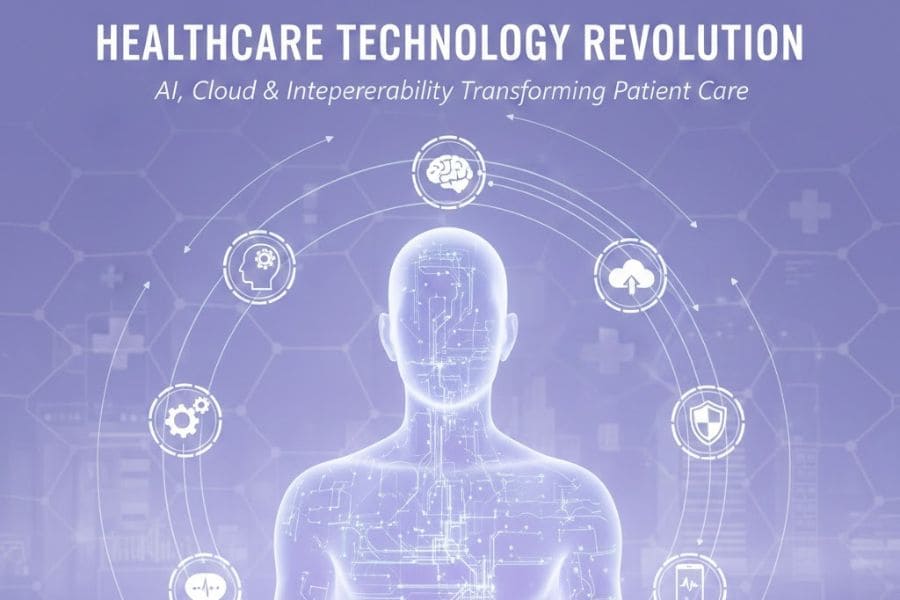
Today’s health care technology has changed dramatically. Nowadays, the health care records can easily be understood, easily accessed, and more connected with all hospital departments.. These massive changes will improve the patient care standards. Modern EHR systems have more features than the past.
The healthcare industry should continue to make massive changes. New technologies promise better patient outcomes and easier workflows. Understanding these trends helps medical practices prepare for the future.
Many healthcare providers struggle with outdated EHR systems. These old systems often lack important integration features. Data sharing between different hospitals remains difficult and time-consuming. Doctors spend more time performing administrative tasks than taking patient care.
Patient records often exist in separate systems that cannot communicate. This creates gaps in care coordination and treatment planning. This may lead to strong security concerns, like cyber threats. For the sake of better challenges, health care must ride off such kinds of issues.
Artificial intelligence is transforming how doctors use electronic health records. AI systems can analyze patient data much faster than humans. These tools identify patterns that might indicate serious health problems. Doctors receive alerts about potential complications before they become critical.
Machine learning algorithms study thousands of patient cases simultaneously. This helps physicians make more informed treatment decisions quickly. AI reduces diagnostic errors by highlighting important clinical findings. The technology supports better outcomes while saving valuable time.
Documentation takes up nearly half of a physician’s working day. AI-powered tools can now generate clinical notes automatically. Voice recognition systems capture doctor-patient conversations in real time. The software converts these conversations into structured medical documentation.
This automation reduces the administrative burden on healthcare providers significantly. Doctors can focus more attention on examining and treating patients. The technology maintains accuracy while speeding up the documentation process. Many practices report improved productivity after implementing AI documentation tools.
Predictive analytics uses historical data to forecast future health events. EHR systems analyze patterns to identify patients at high risk. These predictions help doctors intervene before conditions worsen dramatically. Early intervention often prevents hospital readmissions and emergency room visits.
The technology examines factors like lab results and medication adherence. It creates risk scores for conditions such as sepsis or heart failure. Healthcare teams can prioritize care for the most vulnerable patients. This proactive approach improves population health management across entire communities.
Natural language processing helps computers understand medical terminology and context. This technology extracts meaningful information from unstructured clinical notes. NLP systems can identify symptoms and diagnoses buried in text. The extracted data becomes searchable and usable for research purposes.
These tools help automate coding for insurance billing and reimbursement. They reduce errors that occur during manual data entry processes. NLP also enables voice commands for hands-free EHR navigation. The technology makes medical information more accessible to care teams.
Diagnostic support systems use AI to suggest possible diagnoses. These tools analyze symptoms along with test results and medical history. The software compares current cases with millions of similar past cases. It highlights diagnoses that physicians might otherwise overlook accidentally.
AI diagnostic tools excel at reading medical imaging like X-rays. They can detect tumors and fractures with remarkable accuracy rates. However, these systems support rather than replace physician judgment completely. The combination of human expertise and AI creates the best outcomes.
Cloud-based EHR may save the data in different servers instead of a local computer. Such a technique may create a strong date backup. This approach eliminates expensive on-site hardware and maintenance costs. Healthcare organizations can scale their systems up or down easily. Cloud solutions provide flexibility that traditional systems simply cannot match.
Updates and new features deploy automatically without disrupting clinical workflows. Information about the same patient can easily be accessed through different locations. This connectivity improves coordination between different care facilities and providers. Cloud systems can easily manage the workload of the IT team in small setups.
Cloud EHR systems provide great access to patient information from anywhere. Physicians can review charts at home or during hospital rounds. This mobility supports telemedicine and remote consultation services effectively. Emergency room doctors get complete patient histories even during night shifts.
Mobile apps connect to cloud systems for convenient smartphone access. Nurses can update records at the bedside using tablets. This real-time updating keeps everyone on the care team informed. Better accessibility leads to faster decision-making in critical situations.
Cloud-based systems require much lower upfront investment than traditional software. Practices pay monthly subscription fees instead of large licensing costs. This pricing model makes advanced EHR technology affordable for small clinics. The predictable costs help with budget planning and financial management.
Maintenance and technical support are usually included in subscription prices. Practices avoid hiring expensive IT staff for system management tasks. Energy costs decrease because local servers are no longer necessary. These savings add up significantly over time for most organizations.
Cloud vendors handle all software updates and security patches automatically. Healthcare practices always run the latest version without manual intervention. This ensures compliance with changing regulatory requirements and standards. Automatic updates also provide access to new features immediately.
System downtime becomes rare because cloud providers maintain redundant infrastructure. If one server fails, another takes over without interruption. Scheduled maintenance happens during off-hours to minimize workflow disruption. This reliability keeps patient care running smoothly around the clock.
Cloud systems protect data through multiple backup copies in different locations. Natural disasters or local emergencies cannot destroy all copies simultaneously. Healthcare organizations can continue operations even if buildings become inaccessible. Patient data remains safe and available during any crisis.
Recovery time after incidents is much faster with cloud solutions. Traditional systems might require days or weeks to restore functionality. Cloud systems often resume normal operations within hours or minutes. This resilience protects both patient safety and business operations effectively.
Fast Healthcare Interoperability Resources represents the future of data exchange. FHIR provides a standard framework for sharing health information electronically. The format uses modern web technologies that developers understand easily. This makes integration between different systems much more feasible today.
FHIR breaks health data into modular components called resources. Each resource represents a specific piece of information, like medications. Systems can request exactly the data they need without complexity. This efficiency improves both speed and reliability of data exchange.
HL7 protocols have connected healthcare systems for over three decades. Many older EHR systems rely entirely on HL7 messaging standards. Modern solutions must support HL7 to communicate with existing infrastructure. This backwards compatibility ensures smooth transitions during technology upgrades.
HL7 integration enables data flow between pharmacy and laboratory systems. It connects EHR platforms with billing and scheduling applications reliably. While older than FHIR, it remains essential for current operations. Healthcare organizations often use both standards simultaneously during transition periods.
Interoperability allows different healthcare facilities to share patient information instantly. A primary care doctor can view hospital records immediately. Specialists access test results from other clinics without requesting faxes. This seamless exchange eliminates redundant testing and reduces costs substantially.
Patients benefit from better coordinated care across multiple providers. Treatment plans consider all aspects of a patient’s medical history. Medication lists stay current, reducing dangerous drug interaction risks. The improved communication leads to safer and more effective treatments.
Healthcare data historically existed in isolated systems that never connected. Each department maintained separate records with duplicate patient information. This fragmentation created inefficiencies and increased the risk of errors. Modern interoperability breaks down these problematic information barriers completely.
Connected systems provide a comprehensive view of each patient’s health. Care teams see the complete picture rather than disconnected fragments. This holistic approach supports better clinical decision making processes. Patients no longer need to repeat their medical history repeatedly.
Care coordination becomes much easier when systems communicate effectively together. Hospital discharge summaries reach primary care physicians within hours. Home health nurses access current medication lists and care plans. This connectivity reduces gaps during transitions between care settings significantly.
Patients moving from hospital to rehabilitation facility experience smoother transfers. All providers work from the same updated information simultaneously. Follow-up appointments happen more quickly with better preparation time. Improved coordination reduces readmissions and improves patient satisfaction scores noticeably.
Blockchain creates a permanent record of every data transaction. Each entry links to previous entries forming an unbreakable chain. This structure makes unauthorized changes essentially impossible to execute successfully. Healthcare data gains an extra layer of security protection.
The technology uses advanced encryption to protect sensitive patient information. Multiple copies exist across a distributed network of computers. Hackers must compromise many systems simultaneously to alter records. This distributed approach provides much stronger security than traditional databases.
Blockchain enables patients to control who accesses their health information. Individuals grant permission to specific providers for specific time periods. They can revoke access instantly when treatment relationships end naturally. This puts patients in charge of their own medical data.
The system creates transparent logs of every access attempt. Patients see exactly who viewed their records and when. This transparency builds trust between patients and healthcare providers. It also helps organizations demonstrate compliance with privacy regulations.
Every interaction with blockchain-stored data creates a permanent record. These audit trails cannot be altered or deleted retroactively. Healthcare organizations can prove they followed proper protocols exactly. This documentation becomes invaluable during regulatory audits and investigations.
The technology tracks not just data changes but access attempts. It records failed login attempts and unauthorized access efforts automatically. This comprehensive tracking helps identify security breaches much faster. Organizations respond to threats before they cause serious damage.
Traditional databases store all information in one central location. Blockchain distributes copies across many different physical locations worldwide. No single point of failure can bring down the system. This redundancy ensures data availability even during major disruptions.
Decentralized storage also prevents any single organization from controlling data. Patients and providers share governance of the information network. This democratic approach aligns well with patient rights principles. It creates a more equitable healthcare information ecosystem overall.
Smart contracts automatically execute when predetermined conditions are met. These self-executing agreements reduce manual administrative work significantly. Insurance claims can be processed automatically when treatment protocols are followed. Prior authorizations happen instantly based on coded clinical criteria.
The technology eliminates disputes about what was agreed upon previously. All terms exist transparently in the blockchain contract code. This automation speeds up processes that traditionally took days. Healthcare organizations save time and money while improving patient experiences.
Wearable devices like smartwatches now monitor heart rate and activity. This continuous data provides valuable insights into patient health patterns. Modern EHR systems can import data from these devices automatically. Doctors review trends rather than relying on snapshot measurements only.
Continuous monitoring detects problems much earlier than periodic office visits. Heart rhythm abnormalities appear immediately in the patient’s medical record. This early detection enables faster intervention and better outcomes overall. The integration transforms passive data collection into active health management.
Remote monitoring systems track vital signs for chronically ill patients. Blood pressure readings and glucose levels upload automatically to EHR. Healthcare teams receive alerts when values fall outside safe ranges. This allows immediate response even when patients are at home.
Real time monitoring reduces unnecessary emergency room visits and hospitalizations. Patients feel more secure knowing their health is being watched. Providers can adjust medications based on actual home measurements. This approach improves disease management while reducing healthcare costs significantly.
Patient portals now work seamlessly on smartphones and tablets everywhere. Patients check test results and view visit summaries conveniently. They refill prescriptions and schedule appointments without making phone calls. These mobile tools empower patients to participate actively in care.
Secure messaging lets patients ask questions between office visits easily. Providers respond when convenient without interrupting clinical workflows excessively. This communication improves patient satisfaction and reduces telephone call volume. Mobile access makes healthcare more convenient for busy lifestyles.
Telemedicine platforms integrate directly with EHR systems for seamless care. Doctors conduct video visits while accessing complete patient records simultaneously. They can order tests and prescribe medications during virtual appointments. This integration makes remote care as effective as in-person visits.
Rural patients can access specialists without traveling long distances anymore. Follow-up visits happen more frequently because they are convenient. This increased contact improves chronic disease management and patient outcomes. Remote consultation expands access while reducing healthcare costs substantially.
The Internet of Medical Things connects countless devices to healthcare networks. Smart pill bottles track medication adherence and send reminders automatically. Connected inhalers monitor asthma medication usage patterns accurately over time. All this data flows into EHR systems for clinical review.
Home medical equipment like CPAP machines reports usage statistics nightly. Blood glucose monitors share readings with diabetes care teams instantly. This connectivity creates a comprehensive picture of patient behavior patterns. Providers make better decisions based on real-world data collection.
Healthcare data requires the strongest possible protection against unauthorized access. End-to-end encryption scrambles information from sender to receiver completely. Even if intercepted, the data remains unreadable to anyone without keys. This protection is essential given the sensitivity of medical information.
Encryption protects data both in transit and at rest. Modern systems use military grade algorithms that are extremely difficult to break. Patients trust that their information is safe from hackers and criminals. Strong encryption prevents costly data breaches and protects organizational reputation.
Password protection alone no longer provides adequate security for EHR systems. Multi-factor authentication requires additional proof of identity beyond passwords. Users might enter a code sent to their smartphone. Or they scan their fingerprint on a biometric reader device.
This extra layer makes unauthorized access much more difficult to achieve. Even if passwords are stolen, hackers cannot access the system. Healthcare organizations dramatically reduce breach risks through multi-factor authentication. The technology balances security with reasonable convenience for legitimate users.
The Health Insurance Portability and Accountability Act sets strict privacy standards. EHR systems must include features that ensure HIPAA compliance automatically. Audit logs track who accessed each patient record and when. Access controls limit viewing to only those with legitimate need.
Compliance requires regular risk assessments and security updates continuously. Organizations must train staff on proper data handling procedures regularly. Modern EHR systems include built-in compliance tools and reporting. These features help healthcare organizations avoid expensive penalties and lawsuits.
Ransomware attacks have become increasingly common in healthcare organizations worldwide. Criminals encrypt hospital data and demand payment for restoration access. These attacks can shut down entire healthcare systems for days. Strong cybersecurity measures are essential to prevent such devastating incidents.
Regular data backups ensure recovery without paying ransom demands. Advanced threat detection identifies suspicious activity before attacks succeed fully. Employee training helps staff recognize phishing emails and social engineering. Multiple defensive layers create robust protection against evolving cyber threats.
Behavioral analytics software learns normal user activity patterns over time. It detects unusual behavior that might indicate a security threat. A user accessing records outside their department triggers automatic alerts. The system identifies compromised accounts quickly before significant damage occurs.
This proactive approach catches threats that traditional security tools miss. Machine learning algorithms adapt to new attack methods automatically. Security teams respond faster because threats are identified immediately. Behavioral analytics provides an essential early warning system for organizations.
Voice recognition allows doctors to dictate notes without touching keyboards. This hands-free approach feels more natural during patient encounters. Physicians maintain eye contact instead of staring at computer screens. The technology improves the doctor-patient relationship significantly.
Modern systems understand medical terminology and specialty-specific language accurately. They format notes properly with appropriate sections and headings automatically. Doctors can review and edit transcriptions before finalizing the documentation. This efficiency reduces time spent on paperwork after clinic hours.
Early voice recognition systems made frequent, frustrating errors with medical terms. Today’s artificial intelligence has dramatically improved transcription accuracy rates. Current systems achieve accuracy levels above ninety-five percent, typically. They continue learning and improving with each use over time.
Specialty vocabularies can be customized for cardiology or orthopedics specifically. The software learns individual physician speech patterns and preferences quickly. Errors that do occur are usually minor and easily corrected. Most physicians find the current accuracy acceptable for daily clinical use.
Voice recognition integrates directly into EHR systems without separate applications. Doctors dictate while the cursor is positioned in any field. The technology works across all documentation areas from history to assessment. This seamless integration prevents workflow disruption and reduces learning curves.
Commands like open patient chart or sign note work through voice. Physicians navigate the entire system without touching a mouse or keyboard. This hands-free control particularly benefits doctors during sterile procedures. The integration makes voice technology practical for busy clinical environments.
Excessive documentation requirements contribute heavily to physician burnout rates today. Voice recognition cuts documentation time nearly in half for many. Doctors complete notes during or immediately after patient visits easily. This reduces after-hours work and improves work-life balance significantly.
Less time on documentation means more time for patient care. Physicians see more patients without feeling rushed or overwhelmed constantly. The improved efficiency benefits both doctors and patients simultaneously. Many physicians consider voice recognition essential for sustainable practice today.
Modern voice recognition systems support numerous languages beyond English. Spanish-speaking physicians can dictate in their preferred language comfortably. The software accurately handles accents and regional dialect variations well. This multilingual support makes technology accessible to diverse healthcare workforces.
Systems can even switch between languages within the same session. A bilingual physician might dictate parts in English and Spanish. This flexibility reflects the reality of modern multicultural healthcare settings. Language support removes barriers that previously prevented some from adopting technology.
Patient portals give individuals direct access to their health information. Users view test results as soon as they become available. They read visit summaries and review their medication lists easily. This transparency empowers patients to stay informed about their health.
Portals reduce telephone calls to clinics for routine information requests. Staff spend less time answering questions about test results availability. Patients appreciate the convenience of accessing information when it suits them. This self-service approach improves efficiency for both patients and staff.
Advanced analytics generate personalized health recommendations for individual patients. The system might suggest increasing physical activity based on patterns. It reminds diabetic patients to schedule regular eye examinations proactively. These insights help patients manage their health more effectively daily.
Educational content tailored to specific conditions appears in patient portals. Someone with hypertension sees articles about blood pressure management automatically. This targeted education increases patient knowledge and engagement substantially. Informed patients make better decisions and follow treatment plans consistently.
Electronic prescribing sends prescriptions directly from EHR to patient pharmacies. This eliminates handwriting errors that cause medication mistakes frequently. Pharmacists receive complete instructions without needing to call for clarification. The process is faster and much safer than paper prescriptions.
Systems check for dangerous drug interactions and allergy alerts automatically. Doctors receive warnings before prescribing problematic medication combinations dangerously. Insurance formularies show which medications are covered for each patient. This information helps physicians choose effective and affordable treatment options.
Patients can schedule appointments online at any time, conveniently. They see available time slots and choose what works best. Automatic reminders reduce no-shows and last-minute cancellations significantly. This convenience improves patient satisfaction while optimizing clinic schedules.
Online scheduling reduces telephone hold times and staff workload considerably. Receptionists handle fewer routine scheduling calls throughout the day. They can focus on more complex patient needs requiring personal attention. The efficiency benefits both patients and healthcare organizations substantially.
Telehealth visits connect seamlessly with existing EHR documentation systems completely. Notes from virtual visits appear alongside in-person visit records. Doctors maintain continuity of care regardless of the visit type chosen. This integration prevents information gaps that could compromise patient safety.
Patients access video visits directly through their patient portal accounts. No separate software downloads or complicated setup steps are needed. The simplified process encourages greater adoption of convenient telemedicine services. Integration makes virtual care a natural extension of traditional services.
Big data analytics examines health trends across entire patient populations. Healthcare organizations identify groups at high risk for specific conditions. They can target preventive interventions to those who need them most. This population-level approach improves community health more efficiently overall.
Analytics reveal which patients need cancer screenings or vaccinations currently. Automated outreach programs contact these individuals with appointment reminders proactively. This systematic approach catches diseases earlier when treatment works best. Population health management reduces costs while improving outcomes significantly, community-wide.
Predictive models analyze millions of data points to forecast disease. They identify patients likely to develop diabetes within five years. Early intervention programs help these individuals avoid disease completely. Prevention is always more effective and less expensive than treatment.
Analytics predict which patients will likely be readmitted to hospitals. Care teams provide extra support to these high-risk individuals. This targeted approach reliably reduces unnecessary readmissions by significant percentages. Predictive prevention represents the future of efficient healthcare delivery systems.
Big data enables researchers to study questions impossible to answer before. They can analyze treatment outcomes across thousands of similar patients. This real-world evidence complements traditional controlled clinical trial research. The insights drive improvements in clinical guidelines and treatment protocols.
Research that once took years now completes in months or weeks. Scientists identify rare side effects and drug interactions much faster. Patient registries for rare diseases collect data from multiple institutions. This collaboration accelerates medical knowledge advancement dramatically for everyone’s benefit.
Healthcare organizations use analytics to track their performance against quality benchmarks. They monitor metrics like preventive screening rates and patient satisfaction. This data identifies areas needing improvement and tracks progress over time. Transparent reporting holds organizations accountable for delivering high-quality care.
Physician scorecards show individual performance on key quality measures regularly. This feedback helps doctors identify opportunities for personal improvement areas. Many quality-based payment programs require detailed performance reporting currently. Analytics make this reporting possible without excessive manual data collection.
Dashboard displays present key metrics in easy-to-understand visual formats. Administrators see patient wait times and bed availability instantly. They can respond quickly to developing operational problems before escalation. Real-time visibility enables much more agile management than traditional approaches.
Clinical dashboards alert teams to patients requiring immediate attention. They highlight overdue lab results and unsigned orders needing completion. This real-time notification prevents things from falling through communication cracks. Dashboards keep complex healthcare operations running smoothly and safely.
The 21st Century Cures Act promotes health information sharing and interoperability. It requires EHR systems to support data export without unnecessary restrictions. Information blocking practices that prevent data sharing are now illegal. The law gives patients greater rights to access their information.
Healthcare organizations must certify that their systems meet these new requirements. Non-compliance can result in substantial financial penalties and sanctions. The act accelerates the move toward truly connected healthcare systems. Organizations must update technology and policies to meet these mandates.
The Office of the National Coordinator certifies EHR systems for quality. Certification ensures systems include the required safety and security features properly. Only certified systems qualify for federal incentive payment programs, typically. Healthcare organizations should verify certification before purchasing EHR software products.
Certification standards evolve regularly to reflect advancing technology capabilities continuously. Vendors must update their systems to maintain certification status actively. This process ensures healthcare technology keeps improving rather than stagnating. Certified systems meet baseline standards for safety and effectiveness reliably.
The General Data Protection Regulation sets strict rules for European data. Healthcare organizations treating European patients must comply with GDPR requirements. The regulation gives individuals extensive control over their personal information. Violations result in substantial fines calculated as percentages of revenue.
Many countries now have similar data protection laws beyond Europe. International healthcare operations must navigate multiple regulatory frameworks simultaneously. EHR systems need flexibility to accommodate different international requirements effectively. Global compliance becomes increasingly important in connected healthcare environments today.
Federal incentive programs reward meaningful use of certified EHR technology. Healthcare providers can earn substantial payments for meeting defined criteria. These programs encouraged widespread EHR adoption across the United States. Compliance requires reporting on specific quality measures and patient engagement.
Programs have transitioned from adoption incentives to quality-based payments. Providers now face penalties for not meeting requirements rather than bonuses. Medicare payment rates partially depend on quality reporting through EHRs. Understanding these programs remains essential for the financial sustainability of practices.
Modern EHR systems include built-in compliance monitoring and reporting tools. They track whether required documentation elements are present in records. Automated alerts warn staff when compliance issues are detected immediately. This proactive approach prevents problems before audits reveal them publicly.
Systems generate reports demonstrating compliance with various regulatory requirements automatically. This documentation becomes invaluable during accreditation surveys and government audits. Automated monitoring reduces the compliance burden on already busy staff. Technology handles the tracking while humans focus on patient care.
Healthcare organizations should evaluate their existing EHR systems honestly and thoroughly. Identify features that work well and those causing daily frustrations. Determine whether current systems can adapt to emerging trends effectively. This assessment forms the foundation for strategic technology planning efforts.
Consider whether your system supports interoperability and mobile access currently. Evaluate cybersecurity measures and compliance with current regulations thoroughly. Survey staff about their biggest technology pain points and wishes. Honest assessment reveals gaps that need addressing through upgrades or replacement.
Technology changes should follow a strategic plan rather than random adoption. Prioritize improvements based on potential impact on patient care quality. Consider factors like cost and implementation complexity when planning timing. A phased approach prevents overwhelming staff with too much change simultaneously.
Set specific measurable goals for each phase of technology improvement. Include timelines and assign responsibility for each initiative clearly upfront. Budget adequately for both technology costs and implementation support resources. A clear roadmap guides decision-making and maintains momentum over time.
New technology only succeeds when staff members adopt it enthusiastically. Invest in comprehensive training before launching new systems or features. Provide ongoing support during the difficult adjustment period after implementation. Address concerns and frustrations promptly to maintain morale and productivity.
Identify technology champions among staff who can encourage peer adoption. These superusers help colleagues and provide feedback to leadership regularly. Celebrate successes and acknowledge the effort required to change workflows. Good change management makes the difference between successful adoption and failure.
Healthcare technology requires ongoing investment beyond initial purchase prices alone. Budget for training costs and temporary productivity decreases during transitions. Include ongoing subscription fees and maintenance costs in financial planning. Consider potential return on investment through improved efficiency and outcomes.
Explore financing options like operating leases that spread costs over time. Some vendors offer payment plans that align with federal incentive programs. Look for grant opportunities that support health information technology adoption. Creative financing makes advanced technology accessible even for smaller practices.
Electronic health record technology continues evolving rapidly with exciting innovations. Artificial intelligence and cloud computing transform how healthcare organizations operate. Interoperability finally connects previously isolated systems into coordinated networks. These changes promise better care at lower costs for everyone.
Healthcare providers must stay informed about emerging trends and technologies. Early adoption provides competitive advantages and improves patient care quality. The future of medicine depends on effectively leveraging health information. Organizations that embrace change will thrive in tomorrow’s healthcare landscape.
Sign up for my newsletter to see new photos, tips, and blog posts. Do not worry, we will never spam you.
Health Engine Journal is a modern health-focused blog dedicated to delivering clear, reliable, and well-researched information. Our goal is to educate, inspire, and support individuals, professionals, and learners in understanding the evolving world of healthcare. We simplify complex medical and wellness topics into practical knowledge you can trust.