
Big changes are happening in the healthcare industry because of new medical software. Experts think the healthcare tech market will hit $511 billion by 2027. That guess came before COVID-19, which made people use more health apps. Now, hospitals and clinics are going more digital every day. There are all kinds of software made to help patients and doctors. From smart tools that help diagnose illness to apps that talk to patients. These tools are changing how doctors give care and how patients get help. One big problem in healthcare is that many doctors feel super tired.
Many doctors feel really tired. They work so hard! A big reason is all the papers and boring computer tasks. Things like writing notes or making schedules take too long. This makes doctors stressed and even makes patient care harder.
But good news! New computer programs are helping. Smart tools help doctors write faster. They also make staff schedules much better. Other apps help doctors talk to patients easily. This gives doctors more time. They can focus on helping people feel well. We will look at the top 20 types of healthcare software used in hospitals and clinics.
Medical software is a fancy name for digital tools that help doctors and clinics. These tools make work easier, faster, and better for patients and staff. They cut down on paperwork and help care teams stay organized every day. From setting up appointments to helping doctors find problems, software does a lot. This software helps with many things. It handles bills and keeps health records. It also sends prescriptions to the pharmacy.
Some programs let you talk to doctors online. You can do this right from your home! Smart tools help doctors make good choices. They use the newest information to do this. This software connects patients and doctors safely. It shares important details quickly. This saves time for everyone. It helps staff work better too. It makes patient care more personal. More people need help from doctors. So, good software is super important now. Hospitals and clinics really need it to do well.
This list comes from G2 and Capterra, two trusted review websites. They rank medical software by features, user feedback, and how happy people are. Every tool here has at least four stars, so they’re highly rated. These are some of the best tools helping doctors and patients every day. Let’s take a look at the software that’s changing healthcare for the better.
Imagine a super helpful digital notebook for doctors. It’s called EHR software. It helps them keep all your health information safe. Everything like your test results and doctor’s notes goes in there. This way, doctors can quickly find what they need. It makes it easier to take good care of you. Some popular ones are Epic and Cerner.
There are two main kinds of EHR software you should know about:
. Doctors’ offices often have special websites. These are called portals. Patients can log in to check their test results there. They can also see when their next visits are. This helps people easily follow their care. It helps them be more involved, too. Some of these systems work with cloud tools. This gives patients even better and more personal care.
Doctors can send helpful reminders or updates. They can even chat with patients through messages. Smart tools like AI can even send messages automatically. Example: A big hospital uses Epic and connects it with a reminder system. If a patient with diabetes misses an appointment, they will receive a follow-up message. The care team gets updated, and the patient can reschedule from their phone. They can also see test results and message their doctor in one place.
Doctors must get paid for their work. That’s why they use special computer programs. They are called medical billing software. It’s like a super smart assistant for money matters. These programs work with AI. Its is like a clever computer brain that can read patient papers. Then it turns them into secret codes. These codes help send bills to insurance companies. This makes sure everything is correct. It also helps stop mistakes. Bills go to insurance companies super fast. This helps doctors avoid getting denied.
These smart computer systems check lots of patient information. They find the right billing codes. They even find problems before bills are sent. This helps doctors get paid faster. It means less paperwork for everyone. This also helps the doctor’s office earn more money. Kareo, AthenaCollector, AdvancedMD, DrChrono, PracticeSuite, and NextGen Healthcare are common Medical Billing software solutions that are commonly used in clinics and hospitals.
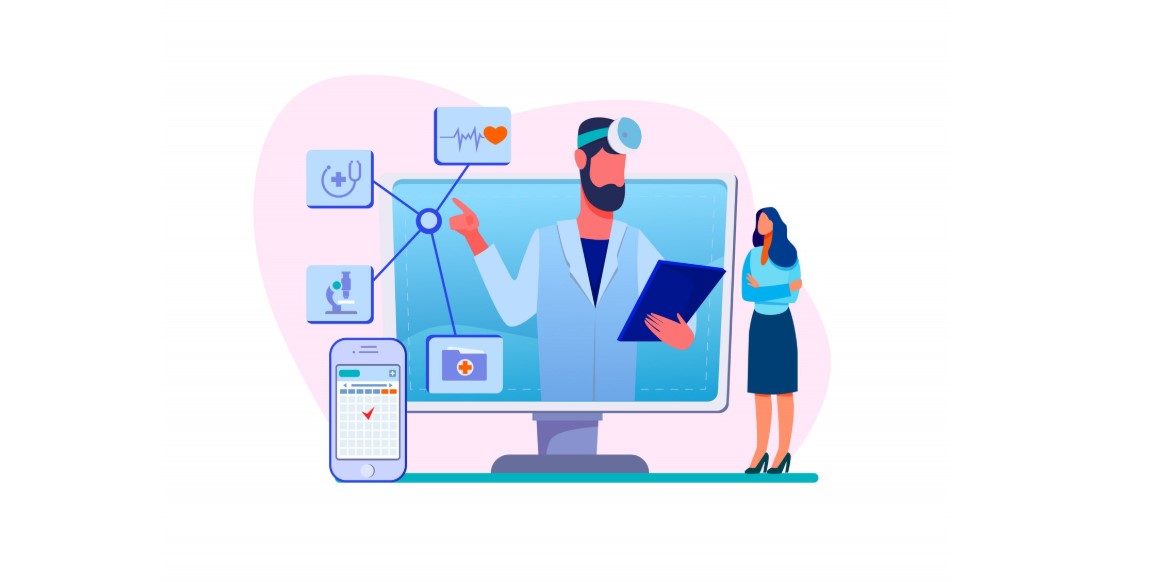
Telemedicine is changing how we see doctors. It’s growing super fast! In USA, it could be worth $64 billion soon. Wow! This is because it’s so easy for everyone. You can talk to a doctor from home. Doctors can help more people, too.
Telemedicine uses video calls. You can use your computer or phone. This helps people far away. It makes getting care simple. Some programs do even more. They can send prescriptions. They also keep your health notes. This helps doctors do less paperwork. It makes sure your care keeps going. Telemedicine will be a big part of healthcare. It makes good care easy for all.
Well, the data of the patients is the major concern; no one wants their personal info to get leaked. Then, Blockchain technology comes into the healthcare industry. You can say this technology is a super secure diary. No one can change your data, and AI can make it even better. It checks your records all the time.
Doctors can use it too. It helps them manage your info. Telehealth visits are more private. Remote monitoring stays secure. Your health data is kept secret. It fights against bad computer guys. You also get to say who sees your data. This helps you trust digital health.
Some places already use blockchain. Medicalchain is one example. Guardtime and Patientory do too. Blockchain makes healthcare safer. It helps doctors and patients share info.
Population health management software helps doctors track and improve group health over time. It gathers health data from many places and puts it all in one spot. This gives doctors a clear picture of a community’s health and risk factors.
Doctors use this information and find people at high risk. This stops bigger problems. Patients also get more involved. Care becomes much better. PHM helps avoid hospital visits. It also saves money. Problems are found sooner. They talk to their care team. This leads to better health and helps them over time.
Some top programs are Health Catalyst. Innovaccer and Optum are others. They help manage health for many people. These programs change healthcare and help us stay healthy.
Many clinics and laboratories use special software in order to manage data. They are called LIMS. They help labs run smoothly. LIMS tracks samples. They also manage lab data. This helps labs follow rules.
Tracking Samples: LIMS follow patient samples. They go from start to finish. This means fewer mistakes. Results come back faster.
Managing Data: They store lots of lab information. It’s easy to find and check data.
Following Rules: LIMS makes sure labs follow all rules. This keeps patients safe. It also keeps data correct.
Using LIMS makes labs better. Data becomes more exact. Patients get better care.
Remote Patient Monitoring, or RPM, lets doctors track your health from far away. It collects health data while you’re at home, not just in hospitals or clinics. RPM became super popular during the pandemic when in-person visits were hard. Now, it’s one of the best ways to keep patients safe and monitored.
RPM uses cool gadgets. These are like heart monitors. Glucose meters and oxygen trackers, too. They check your health signs. Then they tell your care team. If something is off, doctors know. They can help you quickly. You get care fast at home.
RPM helps with long-term problems. It’s good after an operation. Older people also get support. Doctors can watch you daily. No hospital visits are needed. This saves time and money. People feel better for longer. RPM tools keep getting better, and care will be even faster soon.
In 2019, mobile health apps were worth about $37 billion worldwide. This shows how fast they grew and how many people started using them. Most of the money came from three types of apps people use every day. These include fitness, diet, and mental health apps that help with daily life. Fitness apps like 8fit give simple workouts you can do at home or outside. Diet apps such as Fitatu Calorie Counter help you track your meals easily.
What’s really cool is how these health apps connect with smart gadgets. Think of things like FitBits, Oura Rings, and even smart thermometers. These little helpers keep an eye on your body’s data. They can track your sleep, how much you exercise, and even help manage long-term sicknesses. Plus, some apps like Kindara can help women track their periods and even plan for a baby. It’s like having a health assistant right on your wrist or phone.
Medical equipment management software helps hospitals keep track of their tools and machines. It makes things faster and easier by doing the boring work like counting supplies. This special computer program saves time. Doctors and nurses can then help more people. The program checks things automatically. It reminds staff about broken machines. It also reminds them about low supplies. This stops bad surprises for staff and no broken tools in busy times. No missing equipment either.
The program shows where tools are. It tracks how much they are used. This keeps the hospital safe. It follows all health rules. An easy example is Sortly. This software sort and track tools using pictures and simple labels. It even works with barcodes and can be used online from any device. With Sortly, teams can stay neat, prepared, and ready for anything.
More countries now use e-prescribing and this software is very important. Doctors can make prescriptions fast. They can also renew or cancel them easily. The software checks for bad drug mixes. It tracks past medicines. It links to drug lists. This means fewer mistakes. It saves time and paper. Doctors can send prescriptions to pharmacies. They can even do it during online visits.
One example is MediTab, which links with health records to help clinics stay organized and improve patient care in a simple, efficient way. So, this “e-prescribing” program is super helpful. Doctors can send medicine orders fast. It’s safe and clear, no messy writing. This means you get the right medicine and the right amount too.
Doctors who look at X-rays and scans use special healthcare software. We call these programs PACS. PACS stores pictures like X-rays and MRIs. It helps doctors share and manage them. PACS often works with RIS, which helps organize patient info and imaging details. Some PACS systems also use AI. This helps doctors see all patient records. It makes care better and faster.
This technology helps doctors a lot. They get fast and safe access to images. Doctors can work together better. They can find problems more accurately. For patients, this means good things. They get faster and more accurate diagnoses. All this leads to better care. Examples of these software are Materialise and Vepro.
Special computer programs help with medical tests. These tests are called clinical trials. They help scientists find new medicines. The programs help find people for tests. They also help talk to them. And they collect all the information.
If these programs work with smart patient systems, it’s even better! They share info easily. Everyone can work together. It helps focus on the patients.
People who run these tests save time. Their work goes faster. The information they collect is very correct. Patients in the tests are watched closely. This keeps them safe. Any problems are found early. These systems also help doctors learn new things. They share what they find. They even help train doctors. Sometimes they help doctors figure out sicknesses.
A Health Information Exchange (HIE) is like a special road. It helps doctors share patient records. They can do this very safely. It connects many different doctor’s offices. It also links to hospitals. This helps them work together better.
This helps doctors make smart choices and spend less time on paperwork. It also stops repeat tests and keeps patients safer during treatment. Patients can see their full health history and feel more in control. Popular HIE tools include Orion Health, NextGen HIE, and InterSystems HealthShare.
A Chronic Disease Management System (CDMS) helps keep track of long-term health problems. Think of things like diabetes. It uses smart tools and AI to look at patient information. Then it gives health updates super fast.
When connected to full patient care systems, a CDMS helps doctors give special care to each person. Care teams can easily share information. They can plan better treatments. This also helps people avoid extra trips to the hospital.
For patients, CDMS tools make it simpler to follow their health plans. It’s easier to remember to take medicine. They can also talk with their doctors more easily. Plus, it helps people learn more about their own health. Some popular tools are Omada Health, WellDoc, and CareCentrix.
Imagine putting on special goggles. Suddenly, you’re in a whole new world! This is called Virtual Reality (VR) Rehabilitation, and it makes healing more fun. With these goggles and tools, patients enter pretend places to do exercises. They might walk through a forest, play games, or move around a virtual room. In these virtual worlds, they do exercises. These exercises feel like real things they would do every day.
Doctors and therapists can change these scenes. They make them perfect for each person. This helps people practice moving their bodies. It also helps with memory or feelings. They can do all of this in a safe space. VR makes therapy exciting. It can make getting better feel much easier too!
A major global study by WHO and IHME found something really eye-opening. One in three people in the world could benefit from rehab care. That’s around 2.6 billion people up from 1.48 billion back in 1990. This means the need for rehab has grown by 63% in just a few decades. The VR rehab market was worth $135.2 million and is still growing fast. By 2030, it’s expected to hit $371.03 million as more clinics use it.
Choosing the right type of healthcare software for a hospital or clinic is a big deal. It’s like picking the perfect tool for a special job. To make the best choice, you need to think about what your needs are, what you want to achieve, and how your clinic works every day.
Medical software is changing healthcare a lot. It helps doctors use AI to find problems. You can even see a doctor from home. These tools make things easier. Patients get better care because of them. Doctors also feel less stressed. Healthcare is now simpler to get. It’s also much quicker to respond. They also help manage patient information.
New ideas keep coming for medical software. It promises even more good things. We’ll get smarter and faster care. Treatment will also be more personal. These tools will keep getting better. They will change healthcare even more. Patients will get better results. Doctors will have smoother workdays.
| Benefits of Electronic Health Record Software for Modern Clinics |
| How EHR Systems Enhance Patient Care and Clinical Workflows |
Sign up for my newsletter to see new photos, tips, and blog posts. Do not worry, we will never spam you.
Health Engine Journal is a modern health-focused blog dedicated to delivering clear, reliable, and well-researched information. Our goal is to educate, inspire, and support individuals, professionals, and learners in understanding the evolving world of healthcare. We simplify complex medical and wellness topics into practical knowledge you can trust.